
🔥Hot
1

Samsung has unveiled the world's first 130-inch Micro RGB TV, featuring 100% BT.2020 color gamut, VDE-certified precision color reproduction, AI-powered Micro RGB AI Engine Pro, Glare Free technology, and immersive Eclipsa Audio in a timeless frame design for ultimate viewing.
By 2026, AI data centers and supersonic computing will transform infrastructure, enabling real-time AI processing in healthcare, finance, and autonomous driving through specialized hardware like GPUs, TPUs, ASICs, edge computing, and sustainable practices to meet unprecedented data demands.
At CES 2026, advanced scales and wearables are redefining longevity monitoring with comprehensive body composition analysis, AI-driven insights, telehealth integration, and gamification, while addressing data privacy concerns to advance personalized medicine.
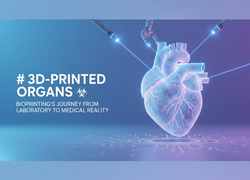
Imagine a future where organ transplants are no longer a race against time, where the scarcity of donor organs is a relic of the past. This isn’t science fiction; it’s the potential reality of bioprinting. The journey from the laboratory to real-world application is complex, but advancements in 3D-printed organs offer a glimpse into a transformative future for medicine, with current achievements in skin, cartilage, and liver tissue paving the way.
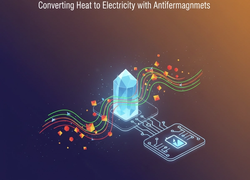
Researchers are harnessing antiferromagnets to convert waste heat from industrial processes, car engines, and everyday sources into usable electricity, leveraging a non-thermal Tomonaga-Luttinger liquid for enhanced efficiency in solid-state quantum energy harvesters.
Extracted JSON schemas from search results related to solar panels include Energy3D CAD software process data schema for buildings and solar panels, EnergyPlus EpJSON input schema for energy simulations with solar modeling, and polygon JSON schema for solar panel detection in satellite imagery.
Hyperloop technology promises speeds over 600 mph in near-vacuum tubes, with testing set for 2026 by pioneers like The Boring Company. Featuring magnetic levitation for frictionless travel, it offers sustainable, high-speed intercity transport, potentially revolutionizing urban mobility despite regulatory and economic challenges.
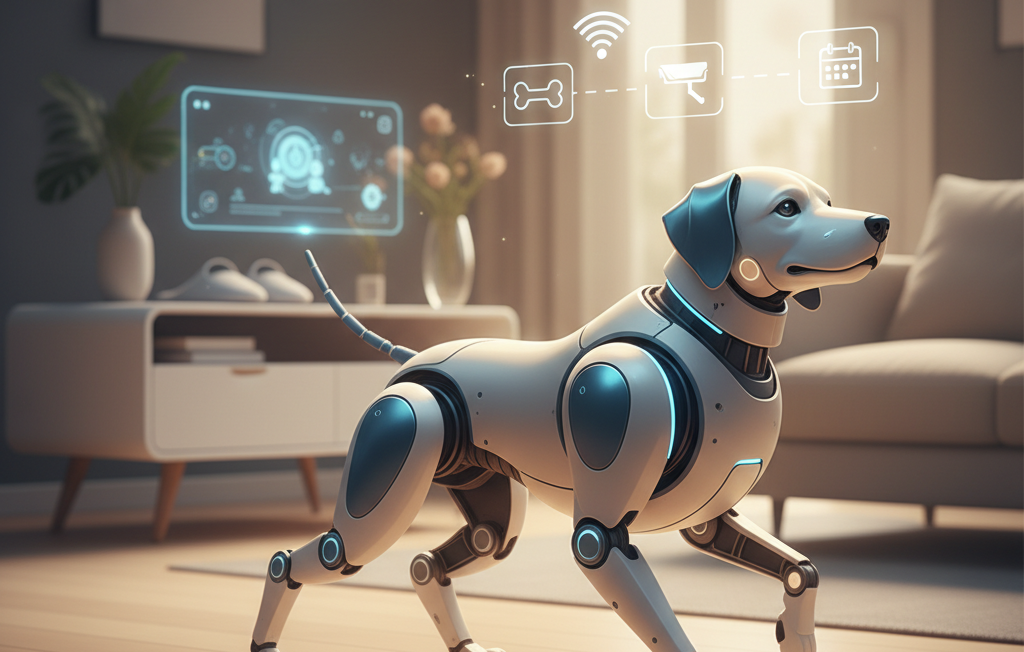
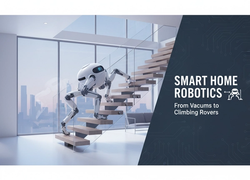
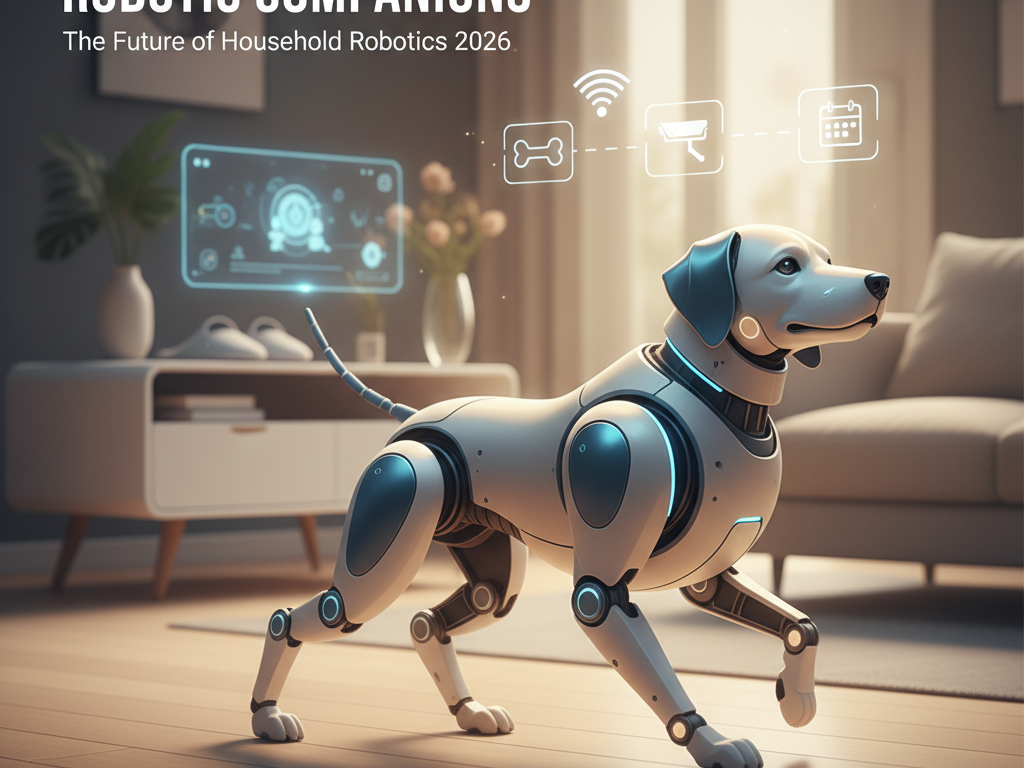
The evolution of smart home robotics from basic vacuum cleaners like Roomba to advanced climbing rovers like the Saros Rover has revolutionized home cleaning and automation with stair-climbing capabilities, AI-driven autonomous learning, obstacle avoidance, and natural voice interaction.
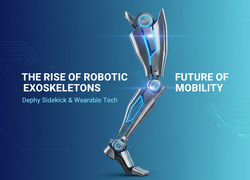
Robotic exoskeletons like the Dephy Sidekick are revolutionizing mobility and workplace safety. These wearable devices combine lightweight design with smart sensors to enhance movement, reduce injury risk by up to 50% in industrial settings, and provide personalized support. As consumer models become more affordable and accessible, exoskeletons are transitioning from specialized rehabilitation tools to everyday assistive technology for personal use.
The Pantuo Pantala eVTOL revolutionizes urban air mobility with its electric propulsion, carrying up to four passengers over 250 km while reducing emissions. Featuring innovative tilt-wing ducted fans, it promises safer, quieter flights, integrating seamlessly into smart cities after its successful 2021 test flight.
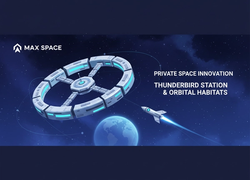
Max Space, a Florida-based company, is pioneering private space innovation with Thunderbird Station, an expandable orbital habitat launching on a single Falcon 9 rocket. Designed for crew of four or more, it expands to 350 cubic meters—over three times an ISS module—supporting research, manufacturing, habitation, and tourism with reconfigurable microgravity interiors and advanced safety features.
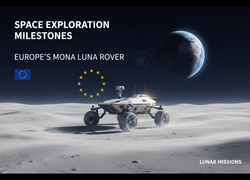
Europe's Mona Luna Rover, developed by Venturi Space, marks a milestone in lunar exploration with successful test drives and plans for a 2030 Moon mission. Weighing around 250-1650 lbs, this compact, solar-powered rover features advanced metal wheels, high-performance batteries for extreme conditions, and speeds up to 12 mph. Backed by CNES and ESA, it aims to explore the lunar south pole, test sustainable technologies, and support future human presence on the Moon through public-private collaboration.
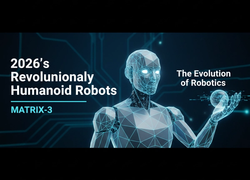
The year 2026 marks a turning point in robotics with MATRIX-3, a revolutionary humanoid robot featuring advanced AI for real-time learning, biomimetic design with tactile sensing, dexterous 27 DoF hands, and applications in healthcare, manufacturing, and homes, prioritizing ethical human-robot collaboration.[1][2][3]
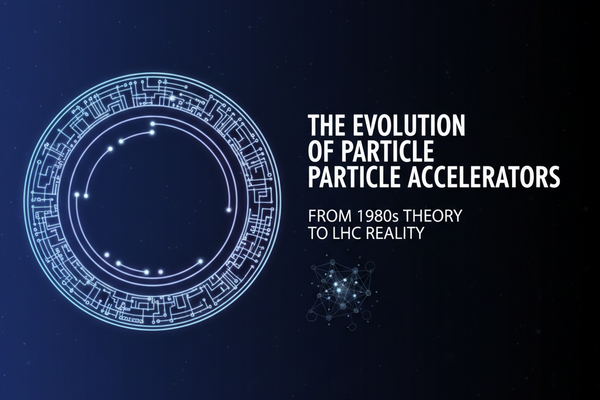
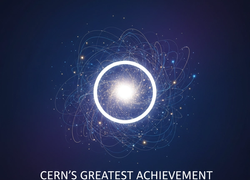
In the heart of Europe, a monumental scientific achievement unfolded at CERN with the discovery of the Higgs boson, uniting over 10,000 scientists from more than 100 countries in international collaboration using the Large Hadron Collider.
Superconducting magnets and cryogenics form the backbone of the Large Hadron Collider (LHC), enabling 8.33 tesla fields at 1.9 Kelvin with 11,850 amps, developed at Brookhaven using Nb-Ti wire for superior stability.
The Large Hadron Collider (LHC) revolutionized physics by confirming the Higgs boson in 2012 and sparked industrial innovations in medical imaging and data analysis, while fostering global collaboration among over 100 countries.
The LHC has spent two decades discovering groundbreaking particles and phenomena, from the Higgs boson in 2012 to exotic hadrons like tetraquarks and pentaquarks. These discoveries have reshaped particle physics, validated the Standard Model, and opened new questions about dark matter and physics beyond current theories. Thousands of scientists worldwide collaborate in this ambitious endeavor that continues to push the boundaries of human understanding.
Rival teen drama, One Tree Hill, scooped up Chad Michael Murray who was offered a role in The OC. This series of events may have been for the best as, as much as we love Chad, the casting of The OC is brilliant and we wouldn’t change it for the world. These circumstances seem to be the best for both worlds.
Atlantis: truth or myth? The story of Atlantis is full of mystery and uncertainty. The scientific consensus concludes that it was only fiction, but there are many who don’t agree and still believe but Atlantis was in fact real.
This mishap occurred because it was snowing on the day that the filming was booked it would have been far too expensive to reschedule.
The story of Vincent van Gogh is a tragic one to be sure, and the mystery of why he chose to harm himself has only recently been brought to light. It is also very possible that there are still many things we do not understand about him or his life. One can only hope that further investigation will illuminate us to his fascinating story.
If you observe most cases of coincidences, they often find that they relate to an individual person but more specifically to what the person has been thinking about recently.
This week
Advertisement