

Robotic Dogs and Autonomous Systems: The New Wave of Household Robotics in 2026
L
By Laurie Lucas on February 16, 2026
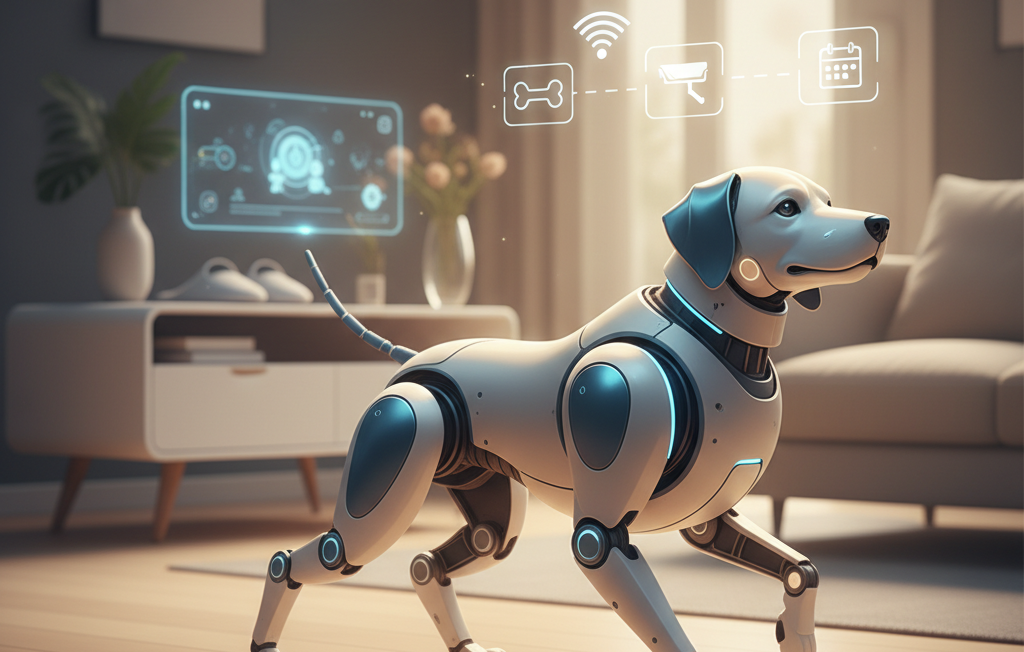
Robotic Dogs and Autonomous Systems: The New Wave of Household Robotics in 2026
Imagine coming home after a long day, and instead of a traditional pet greeting you at the door, a robotic dog bounds up to you, tail wagging, ready to play fetch and take care of household chores. In 2026, this scenario is less science fiction and more a reality. Robotic dogs combined with advanced autonomous systems are set to redefine household robotics, making life easier and more enjoyable for families everywhere.
Key Takeaways
- Robotic dogs integrate AI and machine learning, allowing them to adapt to their environment and learn user preferences over time.
- Household robotic dogs perform various tasks, from companionship to security, and even assisting with daily chores.
- Advanced sensors and cameras enhance functionality, enabling robotic dogs to navigate complex home layouts with ease.
- Market demand for robotic pets is on the rise, driven by busy lifestyles and the growing acceptance of technology in daily life.
- Robotic dogs can be programmed for specific tasks, such as fetching items, monitoring children, or even providing security alerts.
- User-friendly interfaces make interactions intuitive, allowing family members of all ages to engage with their robotic companions seamlessly.
The Rise of Robotic Companions
As technology evolves, so do our domestic needs. Household robotics, especially robotic dogs, are carving out a unique niche in the market. These devices, equipped with artificial intelligence and machine learning capabilities, are designed to learn and adapt to their surroundings. Imagine a robotic dog that not only fetches your slippers but also knows your daily routine. It can send reminders for appointments, suggest dinner recipes based on your pantry contents, and even alert you if your child has left the house without permission.
Market research indicates a significant rise in consumer interest in robotic pets. Families are increasingly looking for solutions to help manage their busy lifestyles. The companionship offered by these robotic dogs provides emotional support, making them a desirable addition to any household.
The Technology Behind the Tail-Wagging
What makes these robotic dogs tick? Advanced sensors and cameras form the backbone of their functionality. They can perceive their environment in real-time, avoiding obstacles and adapting to new spaces. This capability is crucial for their role in household management.
Consider a scenario where a child is playing in the living room. A robotic dog can navigate around toys and furniture, ensuring it doesn’t trip or cause a mess. The integration of AI allows these dogs to remember where they’ve been, what they’ve seen, and how to respond to various commands. The result? A companion that feels almost lifelike, capable of more than just basic tasks.
Multifunctional Roles in the Home
Robotic dogs can take on several roles in the household. They serve not only as companions but also as security systems, smart assistants, and even educators. Equipped with surveillance capabilities, they can patrol your home, alerting you to unusual activity. This is particularly appealing for families concerned about safety while away from home.
For those with children, robotic dogs can double as engaging learning tools. They can assist with homework, provide interactive learning experiences, and encourage physical activity through play. The versatility of these devices is drawing attention from parents looking to incorporate technology meaningfully into their children’s lives.
User Experience and Accessibility
One significant hurdle in the adoption of any new technology is usability. Fortunately, manufacturers are prioritizing user-friendly interfaces for robotic dogs. Whether through mobile apps or voice commands, interacting with these companions is intuitive. This accessibility ensures that everyone in the household, from young children to grandparents, can enjoy the benefits of robotic technology.
Moreover, the affordability of these devices has improved, making them accessible to a broader audience. As prices continue to drop, more families can experience the joys and conveniences of having a robotic pet.
Looking Ahead: The Future of Household Robotics
As we look forward to the future, it’s clear that robotic dogs and autonomous systems will play an increasingly vital role in our lives. The blend of companionship and practicality they offer will resonate with a society that's becoming more reliant on technology.
The challenge now lies in how we shape the narrative around these devices. With the right balance of technology and emotional connection, robotic dogs could revolutionize our understanding of pets and household management.
As 2026 unfolds, it’s not just about having a robotic dog; it’s about embracing a lifestyle where technology enhances our daily experiences, making life more enjoyable and manageable. So, when you walk into your home and see your robotic dog greeting you, remember, it’s not just a gadget—it’s a glimpse into the future of household living.
Entertainment

Samsung Unveils World's First 130-Inch Micro RGB TV with Next-Generation Color Technology

Hyperloop Technology 2026: Testing High-Speed Transportation at 600+ MPH

Aerospace Breakthroughs: Pantuo Pantala eVTOL and the Future of Urban Flight

How Vincent Van Gogh really lost his ear
Gaming

The LHC's Two Decades of Discovery: From Higgs Boson to Exotic Hadrons

Everything you wanted to know about The OC
History

The Evolution of Particle Accelerators: From 1980s Theory to LHC Reality

TIME's Best Inventions Hall of Fame: 25 Iconic Innovations Transforming Modern Life

JSON Schemas for Solar Panels in Energy3D, EnergyPlus, and Detection Datasets

Smart Home Robotics Evolution: From Vacuums to Climbing Rovers
Read More
Everything you wanted to know about The OC
Jane Jeffries|

Atlantis: truth or myth?
Laurie Lucas|

Some of the most wildly inaccurate historical dramas on TV and the misconceptions they bring.
Laurie Lucas|

How Vincent Van Gogh really lost his ear
Jane Jeffries|

Why do coincidences always seem to happen all the time?
Jane Jeffries|